S4E08: Questions With For The Women Foundation Cara Wilson.
Quest Ventures Podcast Season 4 hosted by April Ong Vano.
Subscribe: Apple Podcasts | Spotify | RSS | More



S4E08: Questions With For The Women Foundation Cara Wilson.
Quest Ventures Podcast Season 4 hosted by April Ong Vano.
Subscribe: Apple Podcasts | Spotify | RSS | More


Analysts
Ms Ellie Nguyen, Analyst
Ms Avryl Tan, Analyst
Mr Xander Ho, Analyst
Research
Mr James Tan
This report explores the expedition of Timo, one of Vietnam’s trailblazers in digital banking, and its role in revolutionizing the country’s banking landscape. Founded with a mission to transform traditional banking, Timo set out to offer a digital, fee-free and user-centric financial experience that resonates with Vietnam’s growing mobile-first population. Its rapid rise in the competitive fintech market is a compelling case study of innovation and strategic partnerships in action.
Timo’s collaboration with BVBank combined the agility of a startup and the operational strength and regulatory expertise of an established institution. This partnership between a nimble startup and an established bank exemplifies the power of corporate-startup alliances in driving growth and disruption within the fintech ecosystem.
With a focus on customer-first values, Timo redefined user expectations in Vietnam’s banking sector, offering a hybrid engagement model and cutting-edge technological solutions that cater to the evolving needs of customers. The bank’s ability to maintain a competitive advantage in a rapidly changing market, while fostering continuous innovation and learning, has made it a key player in the country’s digital transformation.
There has been a perception that corporate companies in Vietnam are rarely involved in innovation for startups. This perception is aged, and the collaboration between Vietnam’s Timo and BVBank highlights the presence of corporate and startup partnerships, in a journey for innovation.
As Vietnam continues to undergo rapid digital transformation, Timo’s journey offers important insights into how fintechs can thrive in a developing market by leveraging technology, fostering collaboration, and maintaining an unwavering focus on customer experience. Through Timo’s story, we gain valuable perspectives on the evolving future of banking in Southeast Asia and beyond.

Mr James Tan
Managing Partner
Quest Ventures
Timo Digital Bank’s corporation innovation journey with BVBank offers valuable lessons for other corporations and startups in Vietnam. Timo’s collaboration with BVBank combined the agility of a startup and the operational strength and regulatory expertise of an established institution. This partnership between a nimble startup and an established bank exemplifies the power of corporate-startup alliances in driving growth and disruption within the fintech ecosystem, and the startup and innovation ecosystem at large.
There has been a perception that corporate companies in Vietnam are rarely involved in innovation for startups. This perception is aged, and the collaboration between Vietnam’s Timo and BVBank highlights the presence of corporate and startup partnerships, in a journey for innovation.
It was early 2022, at the tail-end of the Covid-19 pandemic, when Jonas Eichhorst first walked into Timo’s new, modern, two-level office on bustling Nguyen Thi Minh Khai Street in Ho Chi Minh City. Outside, the street buzzed with the sounds of Vietnam’s rapid economic transformation—motorbikes weaving through traffic, vendors calling out, and construction cranes lifting the skyline higher by the day. Inside Timo’s office, the energy was different. It was more focused, more deliberate, yet brimming with a quiet urgency.
The space was open, designed intentionally without cubicles or glass-enclosed corner offices that signal hierarchy in more traditional setups. Here, the atmosphere was about collaboration, not rank. The few walls that existed were whiteboards scribbled with ideas, flowcharts, and product mockups.
At any given moment, groups huddled together, discussing user feedback or brainstorming new features for the bank’s ever-evolving digital platform. Coders tapped furiously at their keyboards, while designers sketched out product ideas that would later be debated, refined, and turned into reality. The sound of spontaneous conversations echoed across the office as people exchanged quick ideas or sought advice, blurring the lines between departments. This was not just a workplace—it was a living, breathing ecosystem of innovation, where agility and user-centric design were the lifeblood of everything they did.
Founded with a vision to transform traditional banking, Timo set out to offer customers a financial experience that was not only digital-first, but also fee-free and designed to simplify everyday banking. In a country where banking traditionally meant long queues, paperwork, and hidden fees, Timo broke away from convention by putting technology and user experience at the core of its offering. Positioned at the forefront of Vietnam’s fintech revolution, Timo leveraged its partnership with BVBank to challenge the long-standing norms of the financial industry. Together, they combined the agility and customer-centric design of a startup with the regulatory expertise and operational strength of an established bank.
As Timo expanded its user base and offerings, one critical question remained: How could it sustain its competitive edge in an increasingly crowded digital banking market? With new players constantly emerging, maintaining leadership in innovation, customer trust, and operational excellence became key to Timo’s growth strategy.
Eichhorst, the newly appointed CEO, quickly grasped the pulse of this dynamic environment. He knew that as one of Vietnam’s leading digital banks, Timo had been at the forefront of the country’s fintech revolution. But his vision went beyond simply riding that wave. His approach was about nurturing a culture that not only responded to change but actively drove it. Leading by example, Eichhorst sits at an unassuming desk among his team, blending seamlessly into the creativity of the young talent around him. He fostered an ethos of ownership, encouraging everyone—regardless of their role or title—to think like entrepreneurs and constantly challenge the status quo.
This report explores how Timo leveraged a strategic partnership with BVBank to disrupt Vietnam’s traditional banking landscape. By combining Timo’s innovative, digital-first approach with BVBank’s regulatory expertise and operational strength, this collaboration highlights the powerful role of corporate-startup partnerships in driving financial innovation. The report delves into Timo’s market strategy, customer-focused product development, and operational challenges, demonstrating how this unique synergy redefined customer expectations and positioned Timo for future growth in Southeast Asia’s dynamic fintech ecosystem.
Vietnam’s digital banking sector has experienced rapid growth in recent years, driven by a young and tech-savvy population, increased smartphone penetration, and growing internet access. The country has one of the highest smartphone adoption rates in the region, with over 84% of the population owning a smartphone as of early 2024, making it an ideal market for digital banking solutions (EdTech Agency, 2024). A significant portion of the adult population is increasingly utilizing digital financial services, signaling a major shift in consumer behavior toward digital and mobile-first solutions.
This shift can also be observed in the increasing number of domestic transactions conducted via internet banking. As shown in Figure 1, the quarterly number of internet banking transactions in Vietnam has steadily risen from Q1 2020 to Q1 2023, highlighting the growing adoption of online banking services in the country. This trend aligns with Vietnam’s broader digital transformation and the rising demand for faster, more flexible financial solutions.
Despite this digital readiness, Vietnam’s traditional banking system struggled to keep pace with the rapid technological changes. Conventional banks were characterized by physical branches, long queues, paperwork, and restrictive banking hours. These factors contributed to a significant segment of the population remaining unbanked or underbanked. Only 31% of Vietnam’s population had access to formal financial services as of 2017, highlighting a critical gap in the market (World Bank, 2017).
The rise of fintechs and digital banks presented an opportunity to address these inefficiencies. Digital banking was not just a convenience, but a necessary evolution to meet the growing demand for faster, more flexible, and accessible banking solutions. This dynamic landscape created a fertile ground for new entrants to disrupt traditional banking models and redefine how financial services were delivered.
Timo entered the market to address these inefficiencies, aiming to revolutionize the banking experience by going fully digital—no physical branches, no paperwork, and minimal fees. The mobile-first strategy aligned perfectly with Vietnam’s booming mobile internet usage, enabling Timo to cater to a middle-class that was increasingly demanding user-friendly financial services.
Timo’s approach has resulted in impressive growth. The total number of customer accounts is approaching a million, supported by a compound annual growth rate (CAGR) of over 60% since 2020. This rapid growth underscores the effectiveness of Timo’s innovative and user-focused strategy.
Inspired by successful models like Monzo in the UK and N26 in Germany, Timo recognized the potential to introduce similar innovations to Vietnam’s underserved banking market. Eichhorst reflected, “Timo was one of the first to offer fee-free banking in Vietnam. This pushed the broader banking sector to adopt similar models, revolutionizing customer expectations. We saw the inefficiencies in traditional banking, and we moved fast to provide a better solution.” This proactive approach allowed Timo to set itself apart, challenging traditional norms and prompting other banks to rethink their strategies.
In Vietnam, trust in financial services has traditionally been tied to physical bank branches, particularly among the older population. Although the rise of digital banking is gaining momentum, there remains a cultural inclination toward the security offered by traditional banking methods. A significant portion of the population, particularly older generations, associates physical bank presence with reliability and trustworthiness. However, the younger, tech-savvy generation has shown more openness to digital banking, driven by the convenience and efficiency these platforms provide.
While Timo Hangouts were initially established for KYC (Know Your Customer) verification, it evolved into customer engagement hubs, offering a unique blend of digital convenience and personal interaction. This approach mirrored successful retail models like Apple Stores, which thrive on combining online efficiency with offline customer experiences. Partnerships with 7-Eleven and McDonald’s further scaled this model, enhancing Timo’s visibility across Vietnam and providing convenient touchpoints for users.
In Southeast Asia, corporate-startup partnerships have become increasingly important as legacy financial institutions struggle to innovate. 65% of banks and 76% of credit unions in the region view fintech partnerships as key to their growth strategies (Cornerstone Advisors, 2020). These collaborations allow banks to leverage the agility of startups while providing access to infrastructure, regulatory expertise, and capital.
Timo’s relationship with BVBank is a case study in how corporations and startups can collaborate to drive innovation. While BVBank provided the regulatory framework and financial backing, the partnership thrived on Timo’s ability to remain agile in a rapidly evolving industry. As noted by Eichhorst, “because of how fast things are changing, you need innovative players to keep pushing forward”. This dynamic allowed Timo to innovate swiftly within the constraints of a highly regulated sector. The collaboration enabled Timo to tap into BVBank’s extensive knowledge of compliance and its established customer base, while Timo focused on designing user-friendly products and services.
This collaboration underscores a broader trend in the fintech world: the growing importance of partnerships between legacy financial institutions and digital startups. Traditional banks, often constrained by regulatory and operational hurdles, struggle to keep pace with the rapid innovation seen in the fintech space. Startups like Timo bring the agility and customer-centric design that these institutions need to remain competitive. As Eichhorst noted, “Corporate innovation is not always about grandiose ideas but about recognizing opportunities. BVBank understood that by supporting Timo, they could tap into a rapidly growing customer base while we focused on what we do best—innovating.”
Leveraging BVBank’s infrastructure, Timo was able to launch new products and scale operations swiftly, bypassing the lengthy and costly process of obtaining a full banking license while still offering a comprehensive suite of services to its customers. “The stuff we do isn’t always sexy,” Eichhorst added, “but it’s the compounding micro-innovation that drives the macro-output.”
One of Timo’s key success factors was its commitment to achieving a strong product-market fit. Built on customer feedback, Timo’s offering of zero-fee transactions, easy savings options, and a clean, intuitive app interface quickly gained traction among Vietnam’s digitally savvy consumers. Timo distinguished itself from competitors through strategic decisions and innovative approaches, such as its fee-free model, which challenged traditional fee-based banking structures and set new market standards while doubling down on personal financial management offerings.
Unlike traditional banks encumbered by legacy systems, Timo’s modern, cloud-based infrastructure enabled rapid updates and improvements. This agility allowed Timo to respond swiftly to customer feedback, maintaining a dynamic platform that kept users engaged. “Our early adopters helped us understand what worked and what didn’t,” noted Eichhorst. “We knew that we couldn’t sacrifice simplicity for features, and every decision we made came from understanding our users’ needs.” Additionally, Timo’s hybrid engagement model—blending digital and physical interactions—addressed the trust concerns prevalent in a market still attached to traditional banking.
Timo’s commitment to customer satisfaction is reflected in its churn rate, which has remained below 5% annually for activated customers. Additionally, the current life-time value (LTV) to customer acquisition cost (CAC) ratio is greater than 10x, highlighting the significant value generated per customer. These metrics underscore Timo’s effective user retention strategies and cost-efficient customer acquisition model.
Through these strategic initiatives, Timo not only stood out from its competitors but also set a new benchmark for what digital banking could achieve in Vietnam. Its focus on transparency, rapid innovation, hybrid customer engagement, and strategic partnerships has solidified Timo’s position as a trailblazer in the digital baking sector.
Scaling fintech operations in Vietnam has historically been a complex and challenging endeavor. The country’s diverse geography and regulatory landscape, along with its limited infrastructure have long posed significant barriers to growth for financial service providers. Only 39% of Vietnam’s population lives in urban areas (World Bank, 2023), making it difficult for digital banks to reach rural and remote communities, where traditional banks have historically held a strong foothold due to their physical presence. This geographical divide, coupled with a deeply ingrained trust in conventional banking systems, has created a challenging environment for fintechs seeking to expand their footprint.
Timo’s tech-driven approach, leveraging AI, big data, and machine learning, helped optimize operations and handle growing transaction volumes efficiently. Its partnership with BVBank was instrumental in navigating regulatory complexities, allowing Timo to expand its services while maintaining compliance. Despite these efforts, scaling remains a constant challenge due to logistical realities and the existing trust gap in rural areas.
Timo’s success is grounded in strong leadership, a collaborative culture, and the efforts of its dedicated team. While Eichhorst provided strategic vision, the leadership team and workforce were critical in driving innovation and navigating the challenges of scaling in Vietnam’s evolving fintech landscape.
The leadership team, with diverse expertise in finance, technology, and customer experience, fostered a sense of shared responsibility and decision-making. This empowered team members to take ownership of their work, promoting agility and customer-focused strategies. Timo’s culture minimizes bureaucracy, encourages rapid decision-making, and cultivates creativity, enabling the bank to quickly adapt its products in response to market shifts.
The partnership with BVBank further enhanced this collaboration. Timo’s agility and BVBank’s regulatory infrastructure combined to overcome compliance and operational challenges, allowing Timo to focus on growth and innovation.
Recognizing talent gaps in Vietnam’s startup ecosystem, Timo invested heavily in employee training and development. This focus on continuous learning has strengthened the team’s capabilities and sustained Timo’s competitive edge. BVBank’s resources further enriched talent development, by providing access to broader expertise.
Timo’s work environment, driven by a shared mission to empower customers through technology, has helped attract top fintech talent. “For those looking for an accelerated learning journey and a sense of ownership, Timo is the best place in Vietnam,” said Eichhorst.
Ultimately, Timo’s leadership and team dynamics, alongside its partnership with BVBank, have been key to overcoming challenges and driving innovation in Vietnam’s financial sector.
Over the years, Timo has achieved impressive milestones, growing to almost a million users and positioning itself as one of the most cost-effective digital banking platforms in Vietnam. Looking ahead, Timo is well-positioned to expand beyond Vietnam, leveraging its scalable infrastructure and strong corporate partnerships to become a regional fintech leader.
Timo’s journey with BVBank offers valuable lessons for other corporations and startups. By recognizing each partners’ strengths and focusing on complementary capabilities, corporations can drive innovation and capture new market opportunities. As Timo continues to grow, its story exemplifies how fintech innovation, supported by strategic partnerships, can transform the financial landscape.

S4E07: Questions With 1Export Anna Melissa Nava.
Quest Ventures Podcast Season 4 hosted by April Ong Vano.
Subscribe: Apple Podcasts | Spotify | RSS | More
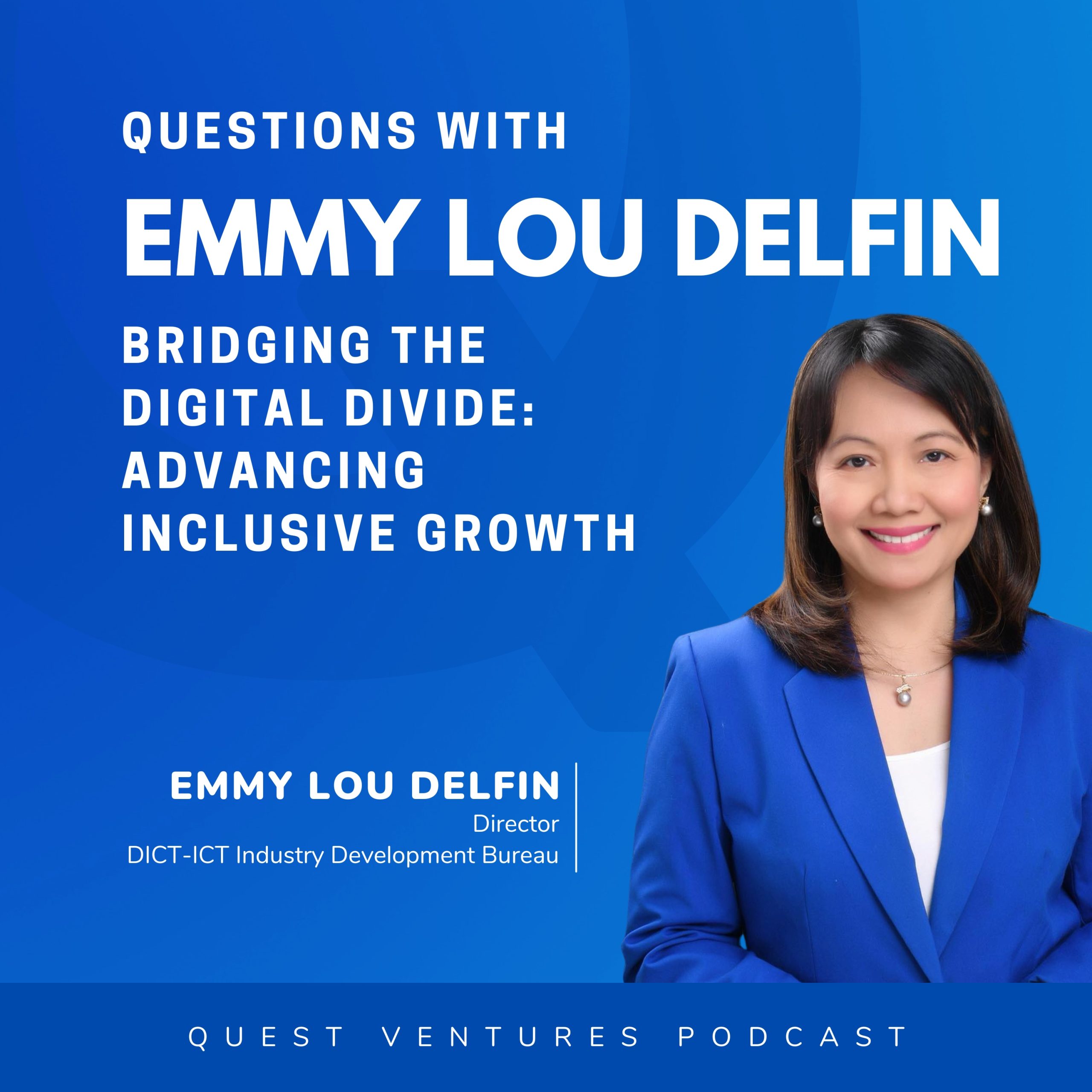
S4E06: Questions With DICT – ICT Industry Development Bureau Emmy Lou Delfin.
Quest Ventures Podcast Season 4 hosted by April Ong Vano.
Subscribe: Apple Podcasts | Spotify | RSS | More

S4E05: Questions With Kickstart Ventures Pia Bernal: Building Bridges Between Startups And Their Support Systems
Quest Ventures Podcast Season 4 hosted by April Ong Vano.
Subscribe: Apple Podcasts | Spotify | RSS | More

S4E04: Questions With Quenby Go: Fostering the Startup Ecosystem through Gender-Diversified and Impact Investing
Quest Ventures Podcast Season 4 hosted by April Ong Vano.
Subscribe: Apple Podcasts | Spotify | RSS | More

By April Ong Vano, Head, Environmental, Social & Governance; and Jazlynn Quek, Summer Analyst
Known for its vibrant culture and diverse economy, the bustling capital of Malaysia has become a magnet for tech startups and innovation hubs. With government support, a growing pool of talent, and state-of-the-art infrastructure, Kuala Lumpur is transforming into a premier destination for technology and entrepreneurship in Southeast Asia. Its dynamic ecosystem fosters collaboration and innovation, positioning it as a crucial player on the global tech stage.
A team from Quest Ventures visited the city to meet with partners and get the latest updates on the Malaysian ecosystem.
Stability and Support: The Key to Malaysia’s Thriving Startup Ecosystem
Malaysia has experienced its share of economic fluctuations, but the advent of a new government has ushered in a period of increased stability and optimism, particularly for startups and ventures. This renewed stability has fostered a more conducive environment for entrepreneurial growth and investment. With supportive policies, improved regulatory frameworks, and initiatives aimed at boosting innovation and attracting foreign investment, the Malaysian startup ecosystem is poised for significant growth. This positive shift encourages venture capitalists and entrepreneurs to explore and expand their ventures, contributing to the country’s economic development and positioning Malaysia as a burgeoning hub for technology and innovation in the region.
Acting as a crucial link between Malaysian startups and investors, MAVCAP leverages government funding to partner with private investors, thereby propelling early-stage venture capital funds to invest in startups. As the first to invest in the Malaysian startup ecosystem, MAVCAP sets a precedent that attracts further private investment, essential for nurturing a vibrant entrepreneurial landscape. Additionally, MAVCAP independently follows the strategic direction set by the Malaysia Venture Capital Roadmap 2024-2030, which aims to establish Malaysia as an emerging venture capital hub in Southeast Asia through its three strategic pillars: Funding, Regulatory Reform, and Capacity Building. MAVCAP’s efforts align with these pillars, enhancing investor confidence and fostering a supportive regulatory environment.
The Malaysia VC Roadmap and the KL20 Action Plan are pivotal initiatives aimed at transforming Kuala Lumpur into a leading technology and innovation hub. The Malaysia VC Roadmap outlines the strategic framework to bolster the venture capital ecosystem, providing necessary funding and support for startups and entrepreneurs. This roadmap focuses on fostering innovation, improving regulatory frameworks, and enhancing investor confidence.
Complementing this, the KL20 Action Plan sets a visionary goal for Kuala Lumpur to become a top-20 global startup ecosystem by 2025. This plan includes initiatives to improve infrastructure, attract global talent, and create a conducive environment for tech enterprises. Together, these efforts are driving Kuala Lumpur’s emergence as the Silicon Valley of Malaysia, promoting sustainable growth and technological advancement in the region.
Pioneering Sustainable Investment Practices in Malaysia
MAVCAP demonstrates its commitment to sustainable and responsible investing through the development of the Environmental, Social, and Governance (ESG) Investment Tool in collaboration with Fuller Academy. This tool aids Malaysian VCs in incorporating ESG considerations into their investment decisions. In addition, MAVCAP’s impact programs, such as the 30% Club Malaysia, focus on increasing gender diversity by facilitating at least 30% women representation on the boards of companies listed on Bursa Malaysia.
In the same vein, other companies are actively advancing their ESG efforts to foster sustainable investment practices in Malaysia. In line with national initiatives like the Green Investment Tax Allowance, Green Technology Financing Scheme, and the Sustainable and Responsible Investment (SRI) Taxonomy, Artem Ventures ensures a robust ESG framework within its operations. Artem Ventures differentiates itself by introducing ESG frameworks to their startups through workshops, helping them select Sustainable Development Goals (SDGs) and agree on meaningful metrics. They prioritise early ESG integration by asking pertinent questions from the outset, ensuring that ESG considerations are ingrained in the investment process and tracked effectively. By tracking monthly data points from portfolio companies and tailoring their approach based on practical feedback, Artem Ventures is conditioning the ecosystem to prioritize ESG, mirroring MAVCAP’s efforts.
Adding to this robust ESG landscape is ERTH, one of our portfolio companies, dedicated to responsible e-waste management in Malaysia. Despite incurring logistics and marketing costs, ERTH maintains healthy profit margins by leveraging B2B channels to scale, even if it means sacrificing a third of the proceeds. The company collects Grade A, B, and C e-waste, optimizing the selling price for Grade C materials and negotiating a 60% increase in its value. Ensuring that all materials are properly licensed eliminates the risk of improper recycling. Despite the slow rate of 5G adoption and the concentration of e-waste in the manufacturing sector, ERTH effectively addresses the scattered household e-waste by accepting all types and sorting them later. The high barrier to entry in the e-waste recycling industry allows ERTH to maintain a competitive edge, as it takes considerable time for new competitors to reach its level of operation. Through these efforts, ERTH plays a crucial role in promoting environmental sustainability and responsible e-waste management in Malaysia.
Together, MAVCAP, Artem Ventures, and ERTH exemplify the multifaceted approach Malaysia is taking to enhance its technology and innovation ecosystem while prioritizing sustainability. Their combined efforts not only foster economic growth and innovation but also ensure that ESG considerations are integral to the development of Malaysia’s burgeoning startup landscape.
Thriving Through Adversity: Resilience and Innovation Amid the Pandemic
However, it has not always been smooth sailing for all. The COVID-19 pandemic brought about unprecedented challenges, forcing many businesses to shut down. Yet, just as diamonds form under pressure, some companies managed to not only survive but thrive during these difficult times. PostCo, one of our portfolio companies, is a prime example of such resilience. As the pandemic shifted consumer behaviors and increased reliance on digital and contactless services, PostCo quickly adapted its business model to meet these new demands. By leveraging its strengths in logistics and technology, the company expanded its services to provide more flexible and convenient parcel collection and return solutions. This ability to innovate and pivot in response to market changes allowed PostCo to grow and find new opportunities amid the crisis, demonstrating that even in the face of adversity, businesses with agility and vision can emerge stronger. Today, PostCo offers a compelling value proposition by streamlining the product return process through its innovative platform. PostCo eliminates the hassle of having to email retailers to exchange products by providing a Shopify-like plug-in, allowing seamless returns without involving the retailer directly. With over 100,000 drop-off points in the UK and Australia, PostCo is now looking to expand into Asia, where the market is heavily oriented toward marketplaces. By focusing deeply on the reselling aspect, PostCo has strategically positioned itself to prove that returns can be beneficial. The aim is to change the perception of returns from being a burden to an opportunity, demonstrating that with the right approach, returns can indeed be embraced and profitable.
Digitalisation in Malaysia: Transforming the Economic Landscape
Digitalisation in Malaysia is rapidly transforming the country’s economic landscape, driving innovation, efficiency, and growth across multiple sectors. PitchIN plays a crucial role in this digital transformation by providing innovative crowdfunding solutions that leverage digital platforms to democratise access to capital. Initially developed by Watchtower & Friends, an accelerator that identified a gap in the market, pitchIN has since become Malaysia’s largest equity crowdfunding (ECF) platform. They offer a range of services including equity crowdfunding, a secondary market for trading shares of previously funded companies, and Token Crowdfunding (TCF). TCF, which has emerged with the rise of digitalisation, allows companies to issue utility tokens, asset-backed tokens, and tokenized securities, providing various rights to holders such as revenue sharing and exclusive access to services. This digital fundraising method aligns with the broader trend of integrating blockchain and fintech innovations into the financial ecosystem, streamlining investment processes and broadening the scope of potential investors.
PitchIN also works with ecosystem partners such as agencies, universities, venture capitals, accelerators, and industry anchors to onboard more investors and lead deals. The introduction of the PSTX secondary market, designed to facilitate easier entry and exit from ECF deals, and the ongoing efforts to integrate traditional companies and investors into the Web3 ecosystem, further illustrate pitchIN’s commitment to enhancing Malaysia’s digital economy. Their efforts are supported by ECF tax incentives and a vision for PSTX to become the secondary market for all private companies in Malaysia.
A Place Where’s (APW) evolution from a traditional printing factory into a vibrant collaborative event space is another testament to the impact of digitalisation. By embracing the digital shift, APW has transformed itself into a hub for creative and entrepreneurial activities, providing a versatile venue for events, co-working, and community engagement. This adaptive reuse of industrial space reflects a broader trend in Malaysia where businesses are reimagining their operations and business models to align with digital opportunities. APW’s transformation underscores the importance of flexibility and innovation in the digital age, showcasing how traditional industries can thrive by integrating digital strategies.
Digitalisation also extends to various other sectors in Malaysia, including finance, healthcare, education, and retail. The adoption of e-commerce, digital payment systems, telehealth services, and online learning platforms has surged, driven by both consumer demand and the necessity brought about by the COVID-19 pandemic. This is further fuelled by the Malaysian government’s support for digitalisation as evidenced through various policies and incentives aimed at encouraging businesses to adopt digital technologies. Tax incentives for investments in technology, grants for digitalisation projects, and support for digital startups are just some of the measures in place to foster a robust digital economy. Together these initiatives drive profound changes across the economy, fostering innovation and growth while creating new opportunities for businesses and investors. Efforts by pitchIN and APW contribute to a dynamic and forward-thinking entrepreneurial ecosystem, which bode well for Malaysia to become a leading digital economy in the region.
The Malaysian startup ecosystem is on a promising trajectory, driven by innovative initiatives, robust support structures, and a growing culture of entrepreneurship. Kuala Lumpur, with its vibrant and dynamic environment, stands at the forefront of this transformation, attracting both local and international investors. As the digital wave spreads, other parts of Malaysia are also expected to experience significant growth in the coming years, creating a fertile ground for new ventures. For investors seeking opportunities in a burgeoning market, Malaysia represents a compelling destination with immense potential and a bright future.
This post first appeared on e27.

S4E03: Questions With PH Innovative Startup Act Diane Eustaquio: On Inspiring Women in Startups, Leadership & Entrepreneurship
Quest Ventures Podcast Season 4 hosted by April Ong Vano.
Subscribe: Apple Podcasts | Spotify | RSS | More

S4E02: Questions With International Labour Organisation Linartes Viloria: On Empowering Women in STEM, Entrepreneurship, and Social Protection
Quest Ventures Podcast Season 4 hosted by April Ong Vano.
Subscribe: Apple Podcasts | Spotify | RSS | More


Analysts
Ms April Ong Vano, Head of ESG
Ms Linh Ha, Senior Analyst
Ms Amanda Chan, Analyst
Research
Mr James Tan
Quest Ventures’ Communication on ESG Progress is a showcase of the firm’s current practices, achievements, and future objectives in enhancing its ESG policy. Environmental stewardship is a core component of Quest Ventures’ investment strategy. The firm actively seeks out and supports startups that prioritise sustainability and address critical environmental challenges. Its social responsibility efforts are centred around creating inclusive and equitable opportunities for all while adhering to global human rights and labour practices. Quest Ventures upholds the highest standards of accountability, transparency, and ethical conduct through its governance framework.
Quest Ventures has engaged with a select number of its portfolio companies to establish a baseline understanding of current practices and intentions to integrate ESG policies. This approach allows the firm to align its strategy and build capacity and knowledge exchange on sustainability. This report includes a showcase of startups that are at the forefront of innovation and impact, addressing critical environmental and social issues. Their successes not only reflect their commitment to sustainability but also demonstrate the potential for positive impact through responsible entrepreneurship.
Mr James Tan
Managing Partner
Quest Ventures
As a venture capital firm, we have the unique opportunity and responsibility to influence the next generation of businesses. At Quest Ventures, we recognize that our investment decisions and the guidance we provide to our portfolio companies can have profound and lasting impacts. This ESG Report reflects our dedication to integrating environmental stewardship, social responsibility, and good governance practices across our organisation, as well as aligning our portfolio companies to embrace ESG initiatives.
Since establishing our Logical Framework Approach in 2019, we have gained a better understanding of practical approaches to measuring our ESG progress. By sharing our ESG journey, challenges, and successes, we aim to foster a culture of openness and continuous improvement. We hope this will inspire and inform our stakeholders, partners, and peers in the industry, encouraging a collective movement towards more responsible and impactful investing. We remain steadfast in our pursuit of excellence in ESG and look forward to continuing this journey together, striving to make a meaningful difference in the world.
Corporate Purpose Statement
Quest Ventures is committed to driving positive change and fostering sustainable development across Asia. The firm’s multi-dimensional ESG strategy pioneers a new standard in venture firms, emphasising support for various social good initiatives. From promoting financial inclusion and gender equality to advancing healthcare and education for all, Quest Ventures strives to create a more equitable society.
The firm’s impact acceleration initiatives encompass advocacy, strategic investments, and partnerships with leading organisations, amplifying the reach and effectiveness of its efforts. By collaborating closely with its venture portfolio and offering world-class benefits to its partners, Quest Ventures catalyses meaningful progress towards shared goals.
Quest Ventures firmly believes that responsible investment goes beyond financial returns, encompassing broader objectives such as environmental sustainability and social responsibility. Through selective participation in global initiatives and proactive measures to address challenges like greenhouse gas emissions, the firm aims to contribute to a more resilient and prosperous future.
Recognising the invaluable contributions of non-profit organisations and charities, Quest Ventures actively supports their endeavours to address pressing social issues. Whether through sponsorship, pro bono board directorships, or in-kind assistance, the firm stands alongside these organisations in their missions to create a better world for all. Quest Ventures’ focus areas include empowering youth, supporting the elderly, and fostering entrepreneurship, reflecting its commitment to driving positive change across generations and communities.
Diversified Portfolio
Quest Ventures manages a diverse portfolio of more than 100 companies across various funds. Its portfolio companies operate in over 150 cities across Asia, and its investments have been instrumental in creating more than 4,400 jobs. The firm’s strategic investments cover a broad range of industries, with a high concentration of companies operating in E-commerce, Software/AI, and FinTech. Quest Ventures’ investment strategy emphasises backing early-stage companies, often providing the first significant investment to help them disrupt their respective industries.
Importance of ESG in Venture Capital
As an investor in early-stage startups, Quest Ventures has an opportunity to integrate ESG policies and practices as portfolio companies begin to shape their businesses. This allows for sustainable business practices to become part of the foundation of positive values, leadership culture, and a mission-driven approach for the startup companies. From the startup industry, technology companies will emerge that scale to have global reach and impact across their value chain, from building their products to widespread use by customers and society at large. Providing capital with a responsible investment approach can significantly contribute to sustainability, solving pressing challenges, and improving lives through innovation and technology. By building a portfolio with ESG factors, a sustainability-themed investing strategy is implemented.
Asia’s potential is ultimately realised in its people. By the end of 2023, Quest Ventures’ portfolio of over 100 venture-backed companies operated in more than 150 cities across Asia, creating employment and advancement opportunities for more than 4,400 employees, while their Enterprise and ESG efforts directly impacted thousands more.
Responsible Investment: Policy and Principles
As signatory to the Principles of Responsible Investment (PRI) supported by the United Nations, Quest Ventures commit to the following where consistent with our fiduciary responsibilities:
Principle 1: Incorporate ESG issues into investment analysis and decision-making processes.
Principle 2: Incorporate ESG issues into our ownership policies and practices.
Principle 3: Seek appropriate disclosure on ESG issues by the entities in which we invest.
Principle 4: Promote acceptance and implementation of the Principles within the investment industry.
Principle 5: Work together to enhance our effectiveness in implementing the Principles.
Principle 6: Report on activities and progress towards implementing the Principles.
On top of the PRI Principles, Quest Ventures adopt a pragmatist philosophy to Responsible Investment, integrating Environmental, Social and Governance (ESG) factors into investment decisions and ownership with the objective of providing better risk-adjusted returns, particularly over the long term. Moreover, the firm upholds the Ten Principles of the UN Global Compact and supports the principles of the Carbon Pricing Leadership Coalition.
Current Practices and Goals
Quest Ventures integrates investment criteria, improving operational policies, and engaging portfolio companies to adopt sustainability practices. Recognising the increasing importance of ESG considerations in venture capital investments, Quest Ventures develops its capacity to enhance and advocate integration, including training, education, and collaboration with ESG experts and networks.
By adhering to the UN Global Compact and UN Principles for Responsible Investment, Quest Ventures incorporates exclusion and ESG criteria into its decision-making process. The firm will not invest in companies deemed to be in breach of the Principles on human rights, labour, environment, and corruption. It ensures that investments across its portfolio remain responsible and consistent with these Principles, and continues to support entrepreneurs in adopting best practices for ESG integration. Quest Ventures is dedicated to continuous improvement in its environmental practices, regularly reviewing and updating policies to reflect emerging best practices, technological advancements, and evolving stakeholder expectations.
Exclusion List
Portfolio Engagement
The majority of Quest portfolio companies surveyed for the report do take into consideration environmental implications of their business operations to a certain extent or have expressed interest to learn more about it. However, the degree to which each implements environmental responsibilities varies from company to company. While the actions taken are generally limited to date due to the lack of resources as the nature of early stage startups, there are signs of efforts to enact environmental factors in their operations.
Social Responsibility Policy
Human Rights and Labor Practices
Health and Safety
Diversity, Equity, and Inclusion (DEI) initiatives
Inclusive Workplace: Foster inclusive workplace by promoting diversity in terms of gender, race, ethnicity, age, disability, and sexual orientation.
Equal Opportunity: Ensure equal opportunity in hiring, promotion, and compensation practices across all portfolio companies.
DEI Training: Provide diversity, equity, and inclusion training for employees and portfolio companies.
Local Community Support: Encourage employees and portfolio companies to engage with and support local communities through initiatives such as job creation, local sourcing, and community development projects.
Philanthropy and Volunteering: Promote corporate philanthropy and employee volunteering programs to support social causes and community initiatives.
Social Impact Accelerator: Quest Ventures, in partnership with the Singapore Centre for Social Enterprise (raiSE), launched the Social Impact Accelerator which aimed to support budding impactful startups by providing financial and non-financial support to help them improve their competencies and gain access to regional and global markets. Through the acceleration program, startups companies have collectively pitched to over 200 investors, corporates, government organisations, and other stakeholders across Asia. Some companies have also successfully raised their next funding round within a few months and gained footholds in markets such as Australia, Malaysia, Indonesia, and Vietnam.
Social Impact Catalyst: Quest Ventures supports the Social Impact Catalyst, a non-profit organisation, across Southeast Asia. The firm believes in the value of developing the skills and mindsets of Asia’s youth. Through practical projects and experiences, youths are empowered to use their talent and skills for the community. The young men and women are ready to be catalysts for positive change in the future.
Quest Ventures portfolio companies have made significant progress with their social responsibility efforts, implementing internal practices and policies that reflect their commitment to social responsibility and fostering an inclusive workplace.
Internal practices
Community initiatives
Current Practices
Quest Ventures believes that strong governance is the foundation of sustainable success. Its governance principles and practices are designed to promote accountability, transparency, and ethical behaviour across all levels of the organisation. Quest Ventures is committed to upholding the highest standards of governance to ensure that its operations align with its values and the interests of its stakeholders.
At Quest Ventures, the Compliance Manual serves as the cornerstone of its governance practices, outlining the ethical standards and expectations for all employees. It provides clear guidelines for decision-making and behaviour, ensuring that all actions align with the company’s core values. Some of its key components include the Code of Ethics and Professional Conduct, Confidentiality, Data Privacy and Protection, Prohibited Market Conduct and Insider Trading, Anti-Bribery and Corruption, Anti-Money Laundering and Countering the Financing of Terrorism, Whistleblower Policy, and Complaints Handling.
By adhering to these guidelines, Quest Ventures ensures that all employees operate within a robust governance framework that promotes ethical behaviour, compliance with laws and regulations, and a culture of integrity and accountability.
Portfolio Engagement
Almost 90% of the respondents from the Quest portfolio conduct regular reporting to their Boards, highlighting their commitment to maintaining transparency and strong governance practices. However, the integration of specific ESG-related commitments into these reports remains limited at this stage of startup development. Most companies have yet to incorporate commitments related to sustainable development, human rights, or climate change into their regular reporting frameworks. While there is awareness of these critical issues, the formalisation and systematic integration into business practices are still evolving.
This ongoing effort reflects the dynamic nature of ESG practices within the portfolio, underscoring both the progress made and the potential for further development. As these companies continue to mature, greater integration of sustainable development, human rights, and climate-related commitments is anticipated, reinforcing their dedication to long-term sustainability and ethical business practices.
Carousell
ERTH
PackAge+
Ion Mobility
GajiGesa
Cerebra AI
Dolbom Dream
Vulcan Augmetics
Looking ahead, Quest Ventures is committed to further advancing its ESG initiatives and taking steps forward to reach its sustainability goals. The firm will continue to collaborate with leading organisations and experts to leverage their knowledge and best practices. Quest Ventures will advocate for responsible investment and aspire to be leaders and partners for the investment community to follow. The firm strives to create value and positive change for its investors, entrepreneurs, and the broader startup community. Together, Quest Ventures aims to build a more sustainable and equitable future.